Does your cat seem a little heavier than usual? Maybe their belly has become rounder, or they’ve started spending more time lounging instead of chasing toys. While some cats naturally have larger builds, noticeable changes in body shape might indicate an overweight cat.
Pumpkin Hill Veterinary Clinic works with cat owners in Byron, NY to recognize unhealthy weight gain as a meaningful step toward protecting feline wellness. Extra pounds often develop gradually, making changes difficult to spot during everyday routines.
Understanding what contributes to weight gain and recognizing the signs early gives your feline companion a better opportunity for a healthier future.
The Surprising Ways Extra Weight Affects Cats
Excess body fat affects far more than your cat’s appearance. An overweight cat faces increased risks of diabetes, arthritis, joint discomfort, and reduced mobility. Additional weight puts pressure on the joints, making activities like climbing, jumping, and grooming more physically demanding.
Some cats become less playful or avoid activities they previously enjoyed because movement feels uncomfortable. Obesity may contribute to decreased stamina and a greater risk of certain medical complications.
Maintaining an appropriate body condition supports comfortable movement, healthier activity levels, and a better overall quality of life.
What’s Causing Those Extra Pounds?
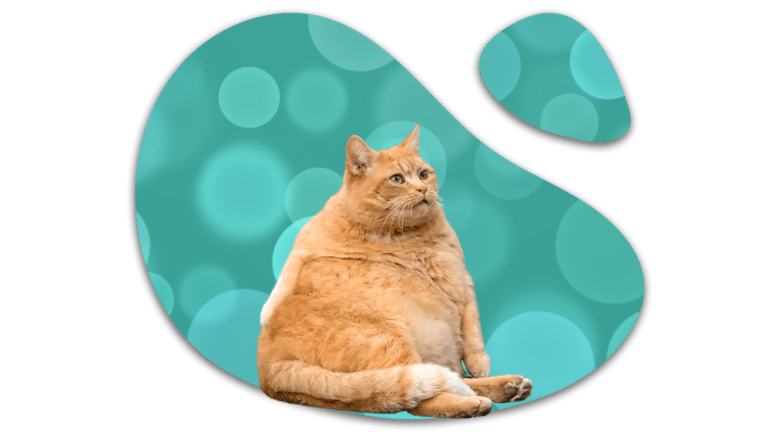
Weight gain frequently develops when cats consume more calories than they burn. Oversized meals, frequent treats, table scraps, and constant access to food often contribute to gradual increases in body fat. Cats spending most of their time indoors may experience greater weight challenges when opportunities for exercise are limited.
Age-related changes in metabolism and activity levels sometimes influence weight as well. Certain medications and underlying health conditions may contribute to unexpected changes in body condition.
Understanding the cause is essential before making significant adjustments to your cat’s diet or feeding schedule.
Is Your Cat’s Body Shape Telling You Something?
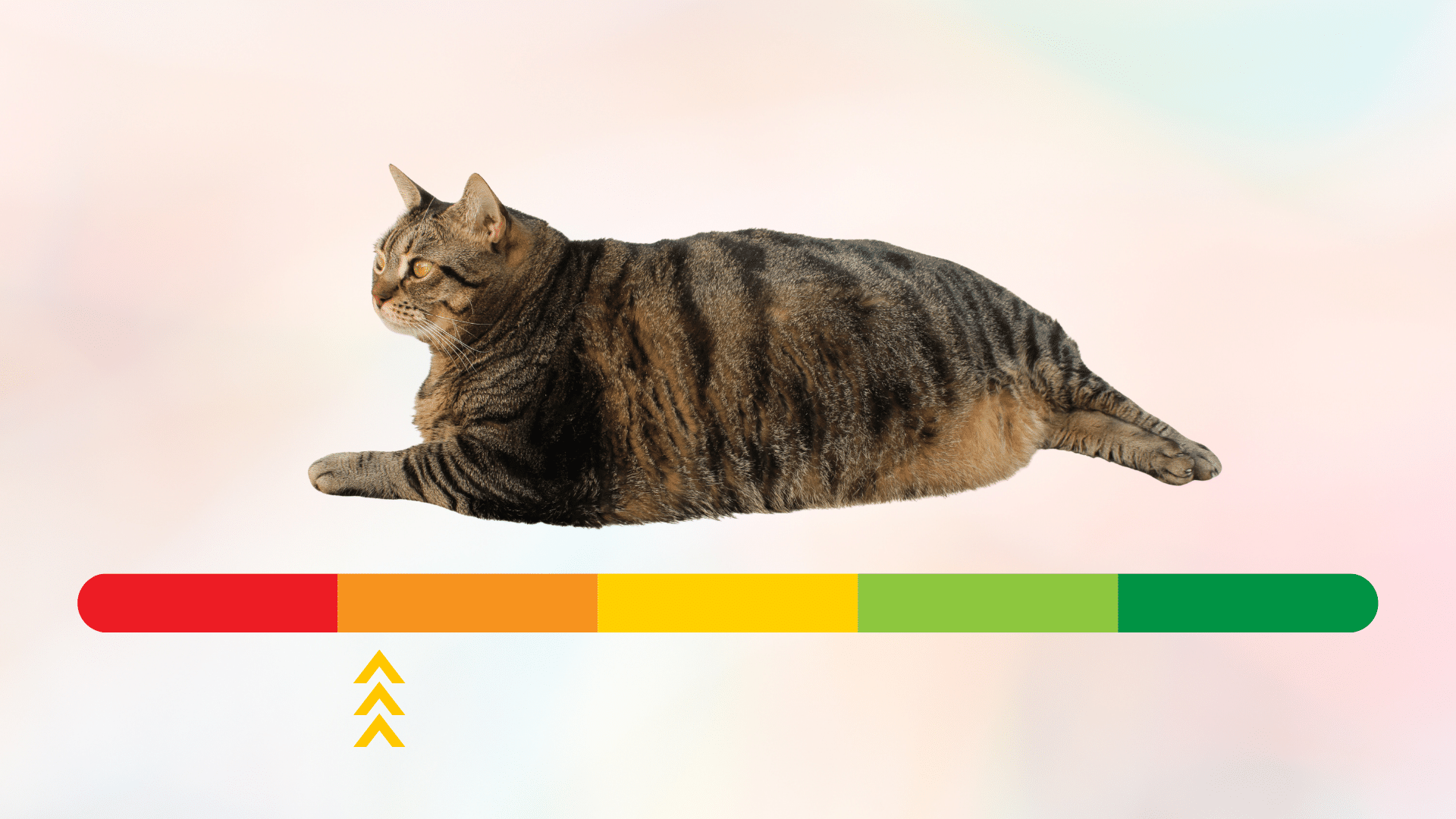
Determining whether your cat is overweight involves more than looking at their belly. A healthy feline body typically has a noticeable waist when viewed from above and ribs that are easily felt beneath a thin layer of fat.
An overweight cat may have a rounded abdomen, reduced waist definition, or thick fat deposits around the rib cage. Some cats struggle to groom their lower backs or reach certain areas because excess body fat limits flexibility.
Veterinarians use body condition scoring to evaluate these physical characteristics and assess whether weight loss is appropriate. This at-home scoring chart for cats provides a visual reference for understanding feline body condition.
Keep in mind that body weight alone doesn’t tell the entire story. Your cat’s age, build, and overall health influence what constitutes an appropriate weight.
When It’s Time to Discuss Your Cat’s Weight With a Veterinarian in Byron
If your cat starts gaining weight without an obvious explanation, schedule an appointment at Pumpkin Hill Veterinary Clinic. Our wellness services evaluate your cat’s health for a discussion of weight-related concerns.
During an appointment, the veterinary team may assess body condition, review feeding habits, and consider whether underlying medical issues warrant further investigation. A personalized weight management plan involves measured meals, dietary adjustments, and activity recommendations suited to your cat’s needs.
Sudden food restrictions are particularly risky for cats. Rapid weight loss or prolonged periods without adequate nutrition may trigger hepatic lipidosis, a serious liver condition.
Veterinary supervision keeps weight reduction gradual, balanced, and focused on your cat’s safety.
Three Simple Changes for Better Feline Weight Control
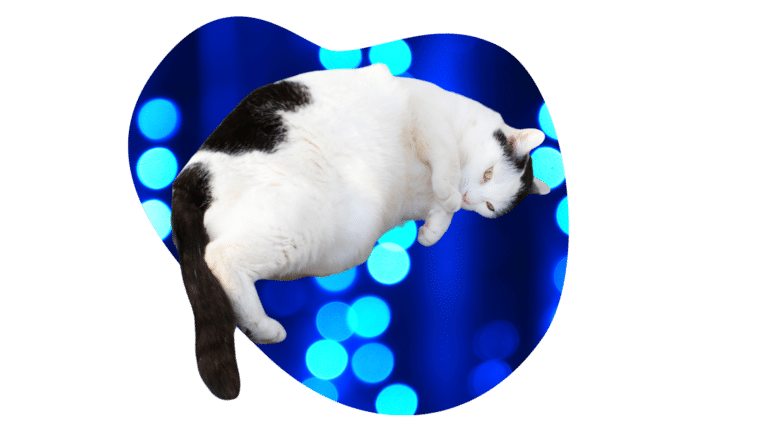
Managing an overweight cat starts with practical habits that become part of everyday life. Consider these three strategies for supporting healthier routines:
- Rethink portion sizes. Measure meals according to your veterinarian’s recommendations and account for treats when calculating daily food intake.
- Turn playtime into exercise. Use wand toys, puzzle feeders, and short interactive games to encourage movement without exhausting your cat.
- Avoid drastic diet changes. Skip internet weight-loss trends and restrictive feeding plans without discussing nutritional needs with your veterinarian first.
Healthy weight management takes patience and consistency. Regular weigh-ins and veterinary checkups provide opportunities to monitor progress and make thoughtful adjustments.
Cat Weight Management in Byron, NY
Concerned about an overweight cat? Pumpkin Hill Veterinary Clinic provides traditional and holistic veterinary care for cats and other animals in Byron, Brockport, Batavia, and Rochester areas. Our veterinary team offers an opportunity to discuss changes in your cat’s weight, feeding habits, and overall wellness.
Whether your feline companion has recently gained weight or has struggled with extra pounds for some time, a veterinary evaluation provides a valuable starting point. Schedule an appointment to discuss your cat’s body condition.